How to Start a Slot Machine Business in Illinois
If you’re researching how to open a slot machine business in Illinois, it’s important to understand that the process involves much more than operational equipment and finding a location. Illinois has one of the most established video gaming markets in the country, but it is also highly regulated by the Illinois Gaming Board (IGB).
Business owners must navigate licensing requirements, compliance standards, venue qualifications, and ongoing reporting obligations before they can begin operating. However, for business owners willing to follow the process, Illinois offers significant opportunities. Since the legalization of video gaming, thousands of licensed establishments across the state have incorporated gaming terminals into their businesses.
Whether you’re opening a new establishment or looking to add gaming to an existing location, understanding the regulatory and operational landscape is essential to long-term success. Our team at J&J Gaming is here to walk you through how to open a slot machine business in Illinois, all the way from licensing to ongoing compliance.
Understanding the Illinois Slot Machine Business Model
Illinois remains one of the largest video gaming markets in the United States, with thousands of licensed locations operating across municipalities that permit gaming. Restaurants, bars, truck stops, and veterans organizations make up a significant portion of the market.
Rather than owning and operating machines independently, establishments must partner with a licensed terminal operator like J&J Gaming, which operates and maintains video gaming machines, alongside compliance support and other ongoing services. Video gaming revenue is then shared between the licensed establishment, the terminal operator, and the state/municipality. Comparing offers from multiple operators? Ask about our Match Offer Guarantee.
Revenue Potential and Market Analysis
Revenue generated by gaming terminals is distributed in accordance with state regulations and contractual agreements, creating a partnership model that benefits both parties.
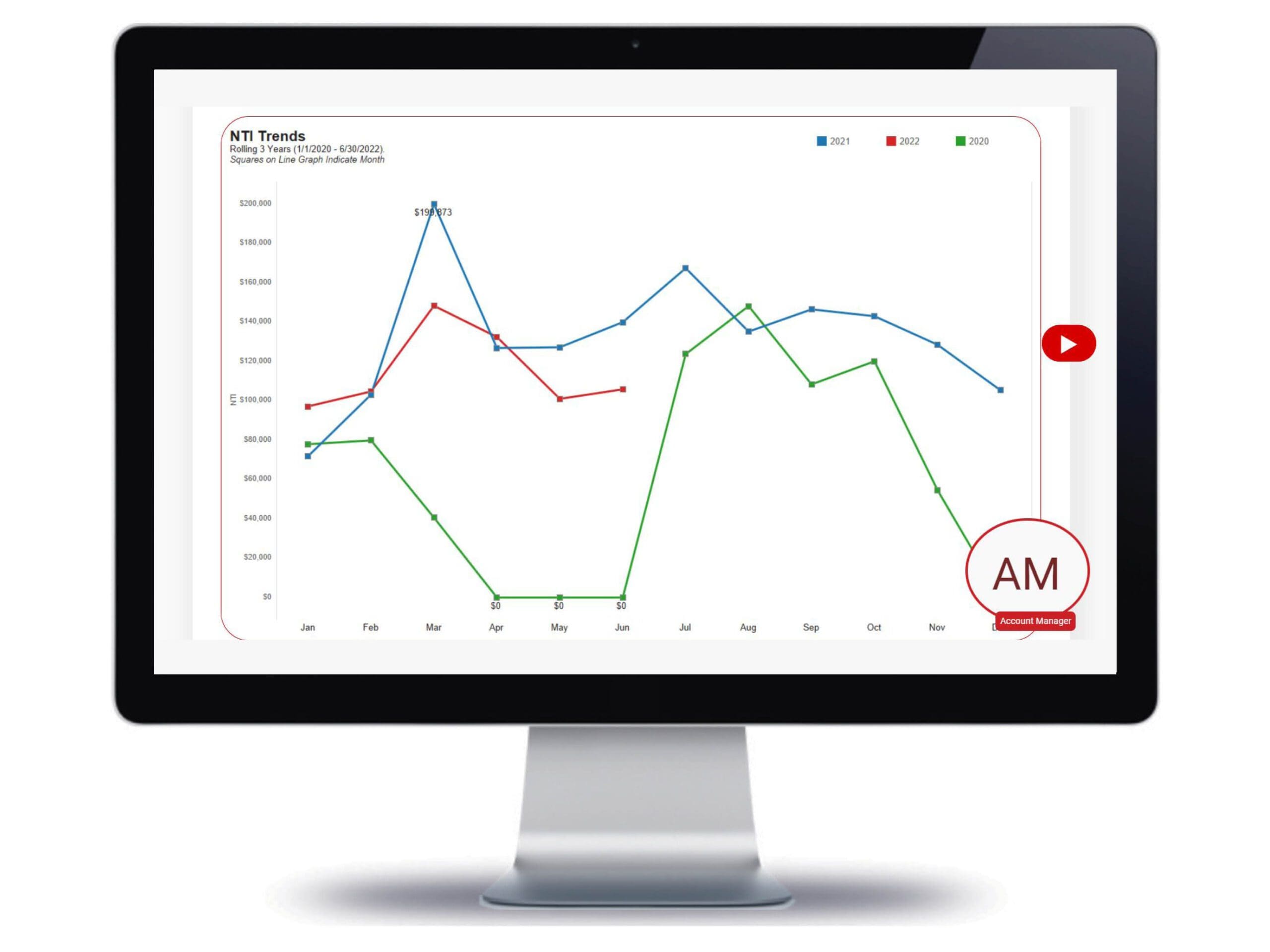
For many Illinois establishments, adding video gaming is one of the most effective ways to increase revenue without significant overhead. Based on J&J Gaming accounts across Illinois, adding video gaming can increase revenue by up to $6,000 per square foot. A meaningful return for bars, restaurants, convenience stores, and other qualifying venues.
Earning potential varies by market, but the numbers speak for themselves. J&J Gaming establishments in Cook County earned an average of $193,000 per year in video gaming revenue, demonstrating the opportunity available for operators in competitive, high-traffic markets.**
Revenue varies by location, customer traffic, local competition, and market demand, so business owners should conduct thorough market research before investing. Evaluating nearby competitors, population density, customer demographics, and municipal regulations can help identify the strongest opportunities while reducing risk.
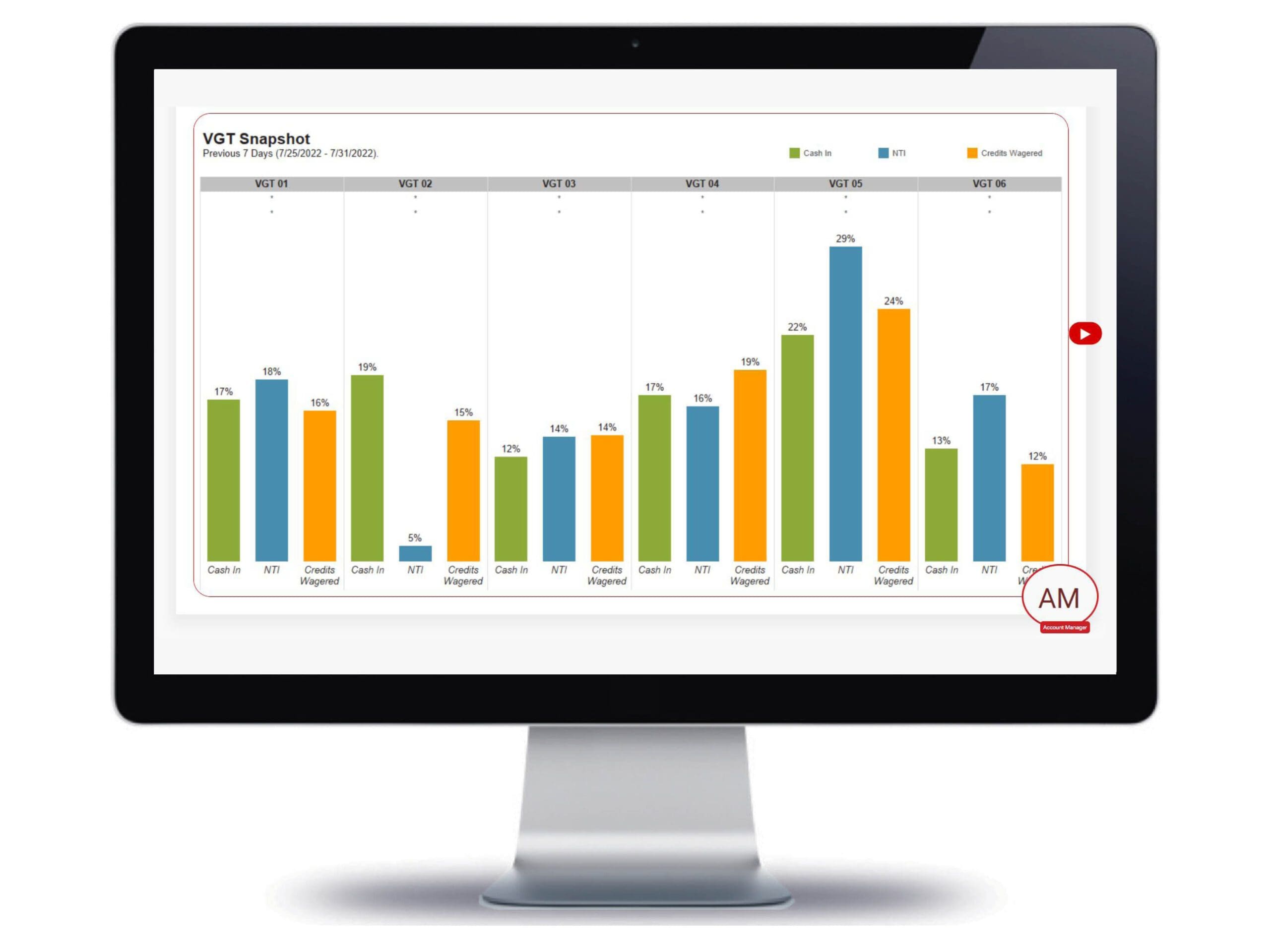
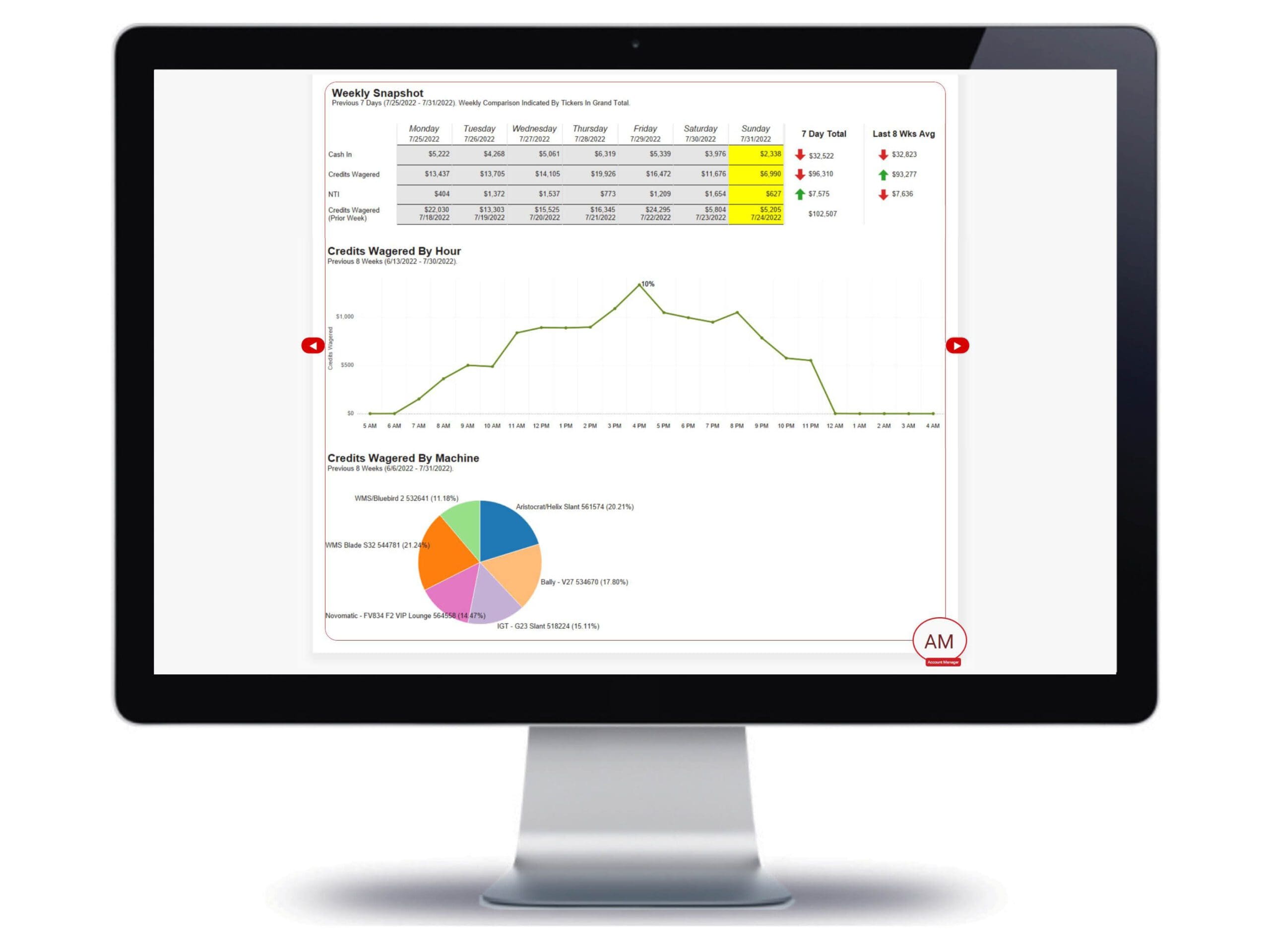
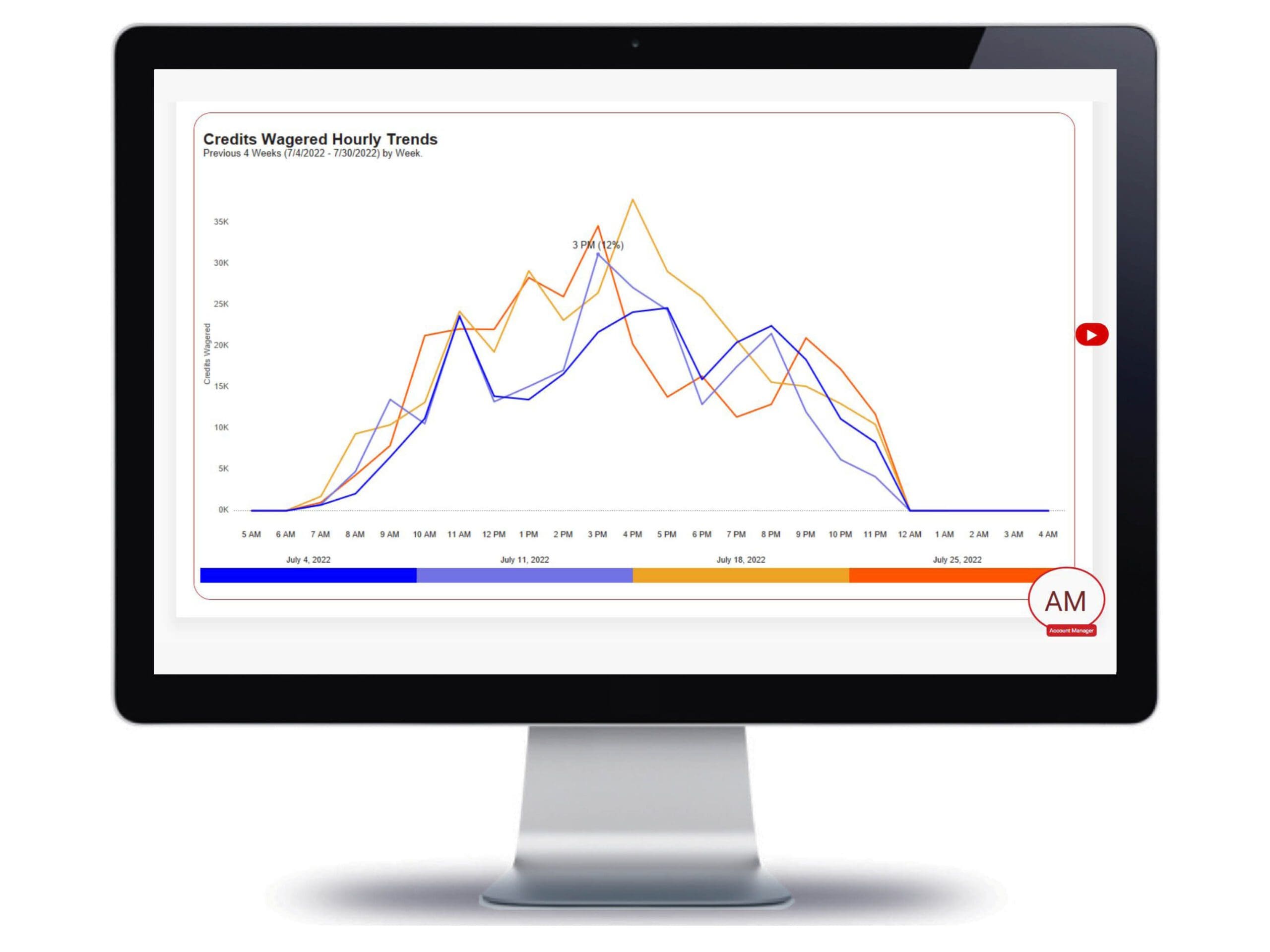
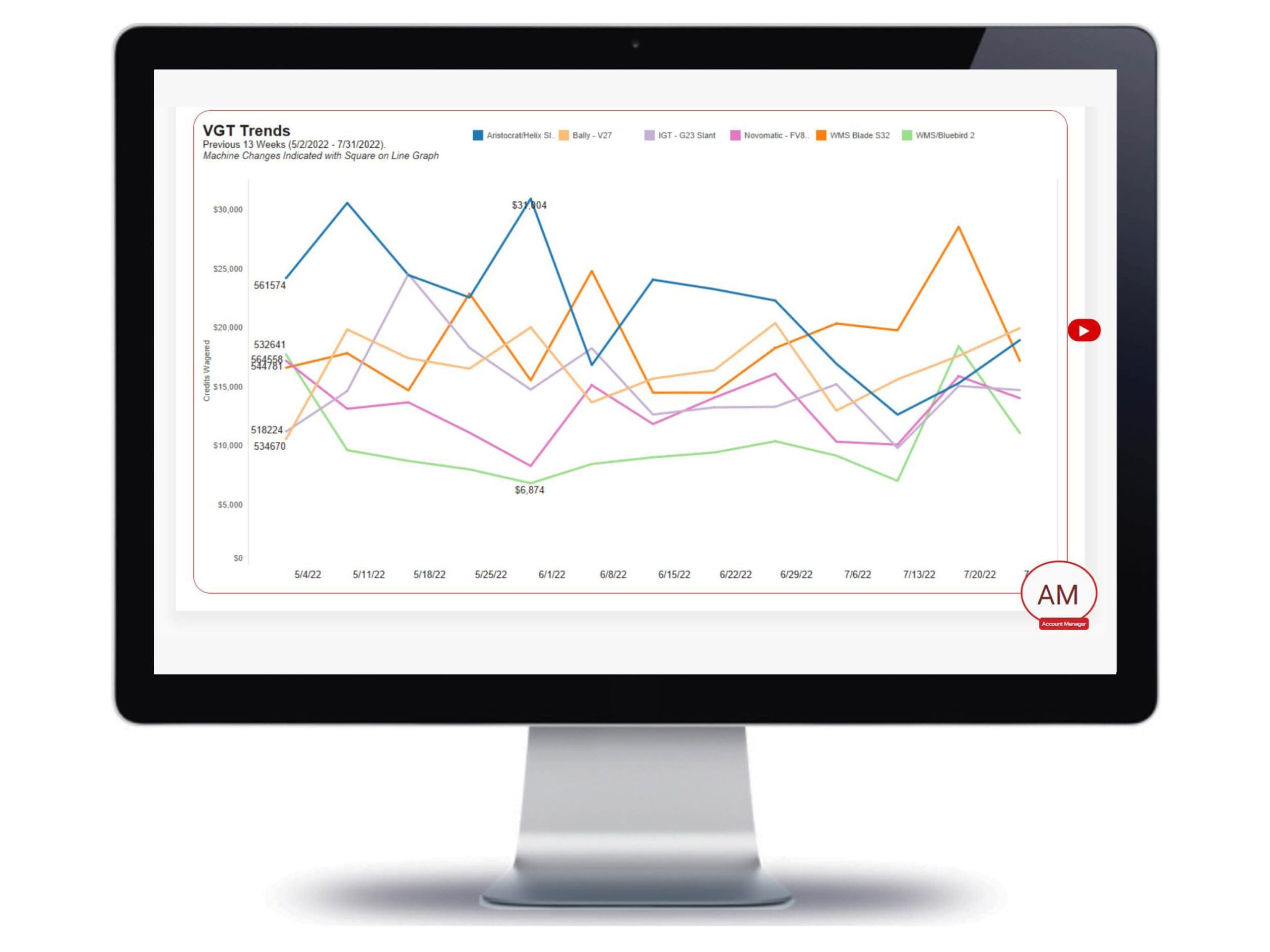
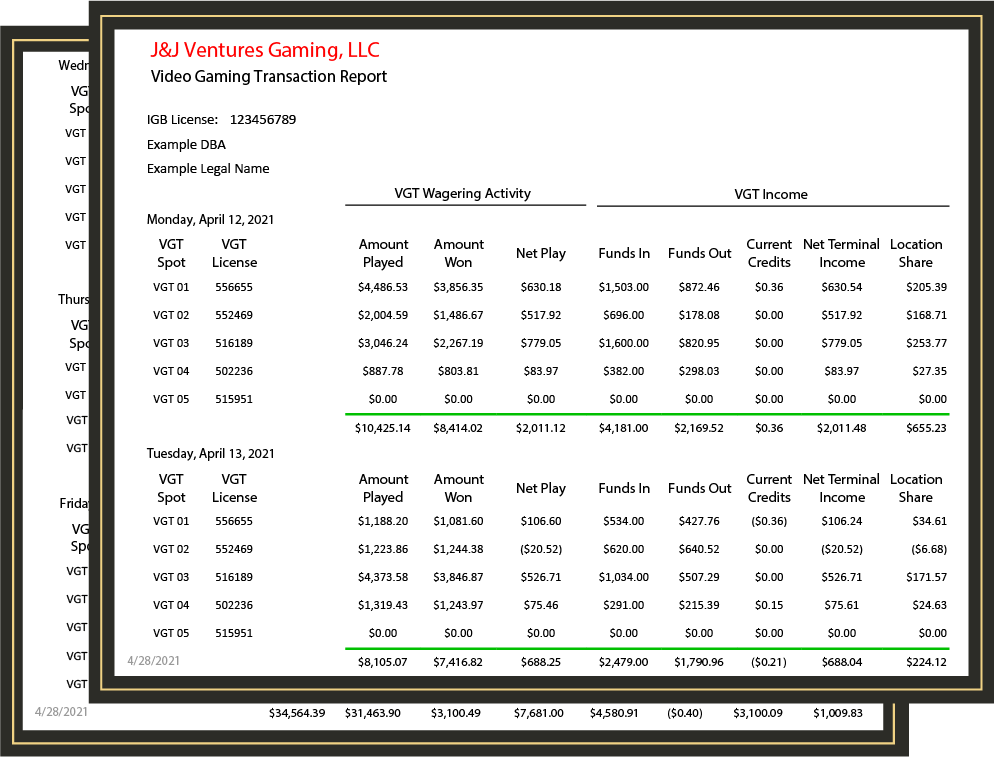
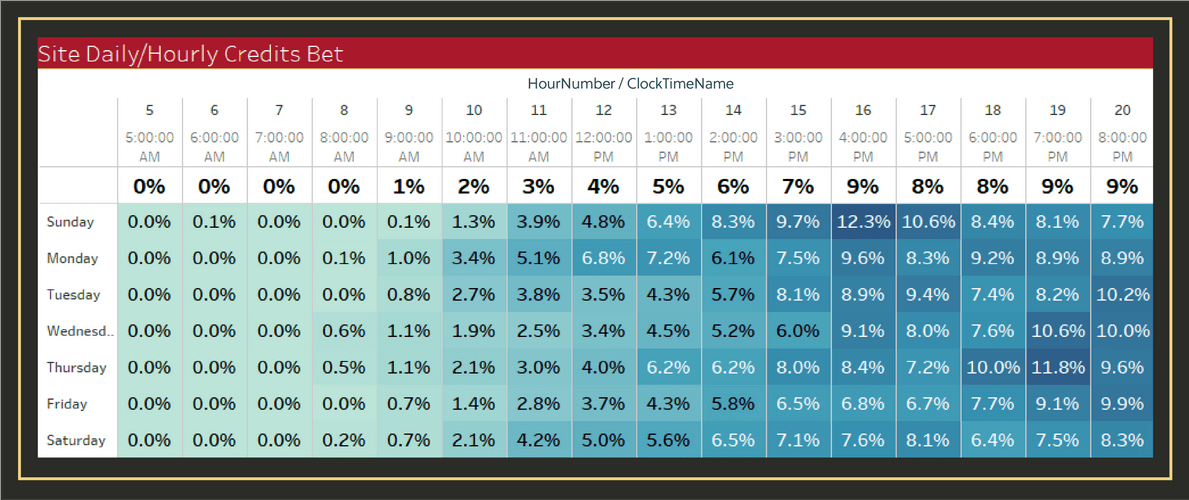
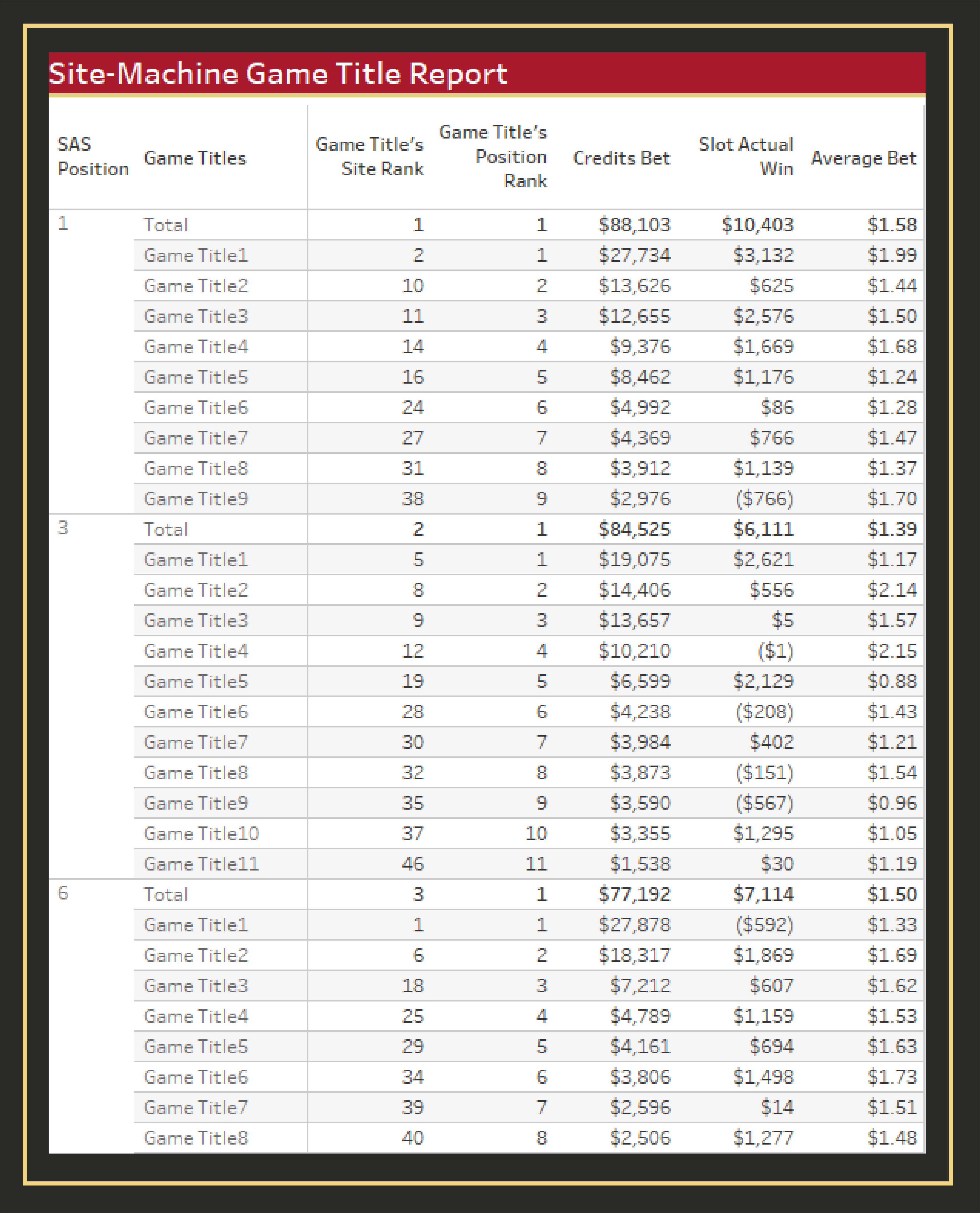
Partnering with an experienced operator like J&J Gaming gives you access to performance data, market insights, and ongoing support to help you maximize your results.
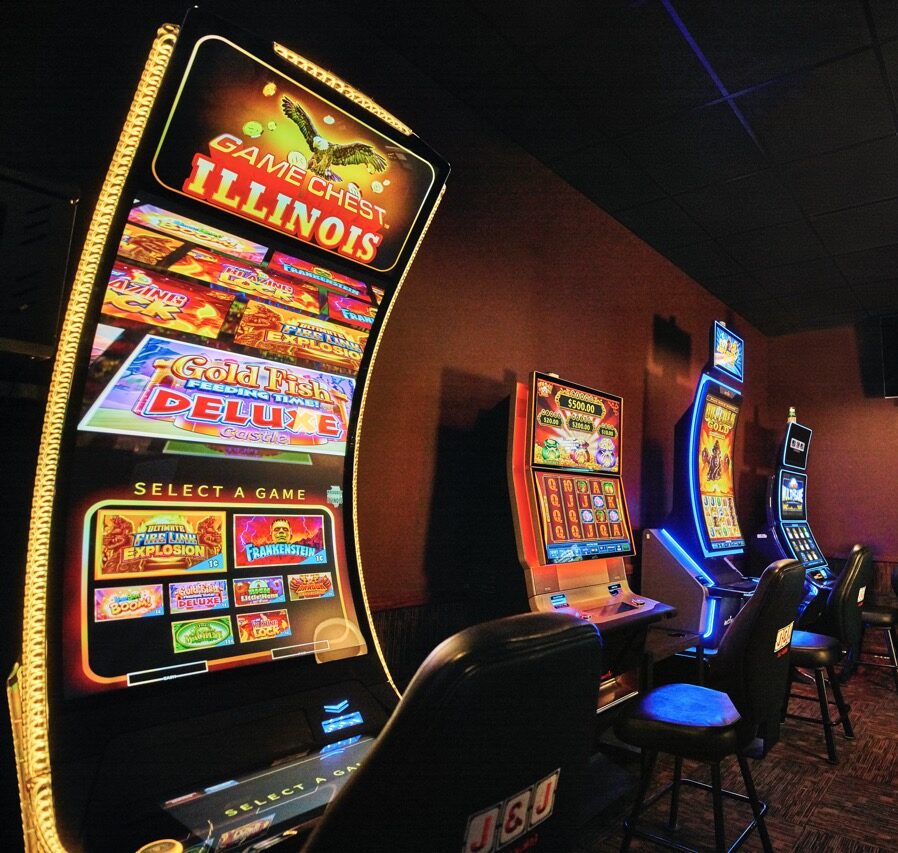
*Data from November 2022 through November 2023 of J&J Gaming accounts in IL. **Based on J&J Gaming establishments in Cook County, average revenue from October 2024 to September 2025.
Illinois-Specific Licensing Requirements and Regulations
One of the most important aspects of learning how to open a slot machine business in Illinois is understanding the state’s licensing requirements.
The Illinois Gaming Board oversees all video gaming activity throughout the state. Depending on your role in the industry, you may need one or more licenses, permits, and approvals before you can operate.
Terminal Operator License Requirements
Terminal operator licenses are required for companies that own, place, and maintain gaming terminals. Obtaining this type of license involves extensive background investigations, financial disclosures, business documentation, and regulatory review.
Applicants must demonstrate financial stability, operational capability, and compliance with Illinois gambling laws. The Illinois Gaming Board reviews ownership structures, criminal history, tax compliance, and other factors before approval. The process can take several months and requires significant preparation before submission.
That’s why partnering with J&J Gaming makes a difference. As one of Illinois’ leading licensed terminal operators, J&J Gaming has navigated the regulatory process firsthand and understands what it takes to operate in compliance with state requirements.
When you work with J&J Gaming, you gain a partner with nearly a century of industry experience — serving clients since 1929 — along with the licensing and infrastructure in place so you can focus on running your business.
Venue Establishment Licenses
Businesses hosting gaming terminals must obtain a video gaming establishment license from the Illinois Gaming Board. To get this license, establishments generally must hold a valid liquor license and meet additional state and local requirements.
Municipal approval is also critical. While video gaming is legal throughout much of Illinois, some municipalities prohibit or restrict gaming activity through local ordinances. Business owners should confirm local regulations before moving forward.
J&J Gaming helps simplify this process for new and existing establishments. We are familiar with Illinois licensing requirements and local regulations across the state, and we work closely with venue owners to help ensure all necessary approvals are in place before operations begin.
Ongoing Compliance and Reporting
License approval is only the beginning. Businesses must comply with ongoing reporting, tax obligations, inspections, and regulatory requirements. The Illinois Gaming Board monitors licensed operations and may conduct audits or investigations to verify compliance. Maintaining accurate records and following operational guidelines can help businesses avoid penalties or disruptions.
J&J Gaming supports our partners well beyond the initial setup. We help establishments stay on top of reporting requirements, maintain proper documentation, and navigate regulatory updates as they occur, so you’re never left managing compliance on your own.
What You Need to Know About Light & Wonder™ and Illinois Slot Machines
Every Illinois slot machine across the state is connected to a central communications system, also known as a CCS. While the Illinois Gaming Board monitors the laws and regulations of Illinois gaming machines, they have contracted a company called Light & Wonder™ to develop and control this technical framework.
The CCS software allows Light & Wonder™ to remotely inspect, track, and even disconnect any Illinois gaming machines, depending on the needs and requests of the Illinois Gaming Board. The system is used to ensure that machine play is based on the liquor pouring hours of the municipality. It also functions so that terminals shut down if a local establishment is facing disciplinary action for misuse of the Illinois gaming revenue and slot machines.
Step-by-Step Guide to Starting Your Illinois Slot Machine Business
Understanding how to start a slot machine business requires a structured approach. While every operation is unique, most successful operators follow a similar process that includes planning, licensing, and implementation — though timelines and steps may vary based on your specific situation.
Phase 1: Business Planning and Preparation (1-2 Months)
The first step is creating a detailed business plan. This should include projected startup costs, operating expenses, revenue expectations, marketing strategies, and growth objectives. Business owners should also evaluate potential locations and determine whether gaming is permitted within the municipality. Demographic research, traffic patterns, and competitor analysis can help identify viable opportunities.
Phase 2: Licensing and Legal Setup (3-6 Months)
Once planning is complete, businesses can begin the licensing process. During this phase, owners typically establish their legal entity, obtain necessary permits, complete licensing applications, and gather supporting documentation. Professional guidance from attorneys, accountants, and gaming industry experts can help avoid costly delays or application errors. Business insurance should also be secured at this stage to protect against operational risks and liability. This is one of the most complex phases of launching a gaming operation, and one of the biggest advantages of partnering with J&J Gaming. Our team has direct experience navigating Illinois’ licensing process and works closely with venue owners to help move applications forward efficiently. Rather than figuring out the process on your own, you’ll have an experienced operator in your corner who knows exactly what the Illinois Gaming Board expects and how to help you meet those requirements.
Phase 3: Equipment and Location Setup (1-2 Weeks)
After licensing approval is underway, businesses can prepare their gaming area and finalize vendor relationships. This phase often includes negotiating agreements, preparing infrastructure, coordinating installation schedules, and ensuring compliance with all applicable regulations. Partnering with an experienced terminal operator, like J&J Gaming, can simplify the process and provide access to equipment, technical support, and compliance expertise. J&J Gaming works closely with venue owners to coordinate equipment sourcing, installation, and setup. Our team is familiar with Illinois Gaming Board requirements and helps ensure everything is in place before operations begin, minimizing delays and keeping the process on track.
Equipment Selection and Operator Relationships
Choosing the right equipment and vendor can significantly impact long-term success. Business owners should evaluate available gaming options, service support, maintenance programs, reporting tools, and operational resources before making a decision.
Approved Slot Machine Types and Manufacturers
Illinois only permits gaming terminals approved by the Illinois Gaming Board. These terminals must meet strict technical and regulatory standards before deployment.
Selecting equipment from trusted manufacturers helps ensure reliability, performance, and regulatory compliance. Popular gaming manufacturers include Bally Technologies, Spielo International, Light & Wonder, IGT, WMS, Inspired, Novomatic, Konami, Everi, and Aristocrat. These companies offer a variety of gaming experiences and features designed to appeal to different player preferences.
Vendor Selection and Procurement Process
When evaluating Terminal Operators, business owners should consider several factors beyond equipment availability. Service response times, maintenance capabilities, compliance support, training resources, and operational experience all play important roles in long-term success.
Revenue sharing between terminal operators and establishments is mandated by the state of Illinois, so financing structures are largely determined by regulatory requirements rather than individual preference.
At J&J Gaming, we work with leading manufacturers and provide access to a wide range of approved gaming options. We’ll work with you to make sure you have the right video gaming terminals for your business.
Common Mistakes and Pitfalls to Avoid
Even well-prepared business owners can encounter challenges when entering the Illinois gaming industry. Understanding common mistakes can help business owners avoid delays, unnecessary expenses, and compliance issues.
Licensing and Regulatory Mistakes
One of the most common errors is submitting incomplete applications or inaccurate documentation. Missing information often results in processing delays and additional review requests.
Businesses also sometimes underestimate the importance of ongoing compliance. Failing to maintain records, follow reporting requirements, or update licensing information can create regulatory complications. J&J Gaming’s J&J Connect platform helps address this directly, sending notifications when local and state licenses are due for renewal, allowing you to upload current licenses, and making account updates straightforward to manage.

Business Operation Pitfalls
Cash flow management is another area where new operators frequently struggle. While gaming can generate additional revenue, businesses should maintain realistic expectations and adequate working capital.
Failing to plan for maintenance, upgrades, and operational support can also lead to avoidable business disruptions over time.
FAQs
How much does it cost to start a slot machine business in Illinois?
Establishments must obtain a video gaming establishment license from the Illinois Gaming Board, with a $100 filing fee. A $100 license fee is also required once an establishment is officially licensed by the IGB. Venues also need a valid liquor license, and some municipalities may require additional local approvals or fees.
How long does it take to get licensed in Illinois?
The Illinois Gaming Board licensing process typically takes 3–6 months from application submission, so long as all requirements are met and no complications arise during background checks.
Can I operate slot machines anywhere in Illinois?
No. Slot machines can only be operated in municipalities that have opted in to video gaming and in qualifying establishments, such as bars, restaurants, and truck stops. Municipalities Allowing/Prohibiting Video Gaming
What percentage of revenue do venue owners typically receive?
Revenue sharing in Illinois is not negotiated. It is mandated by the Illinois Gaming Board. The state and municipality receive 30% and 5% of Net Terminal Income (NTI), respectively, while the licensed establishment and terminal operator each receive 32.04%, and 0.92% goes to the Central Communications System (CCS).
Do I need a separate license for each location?
Terminal operators generally hold a single statewide license, while each establishment must obtain its own license and satisfy applicable regulatory requirements. You'll need to register each location with the Illinois Gaming Board.